
HELENA, MT — U.S. Senator Steve Daines is making an end-of-year push to save 37 stalled hydropower projects across the country, including one major Montana facility that has been licensed but not yet built.
Daines and U.S. Representative Dan Newhouse sent a letter^1 to House Speaker Mike Johnson and Majority Leader Steve Scalise on November 25 urging swift passage of their “Build More Hydro” bill before Congress adjourns for the year. The legislation, which passed the Senate unanimously in July, would give the Federal Energy Regulatory Commission authority to extend construction deadlines for hydropower projects that have completed environmental reviews but haven’t broken ground.
Without congressional action, 37 unconstructed hydropower projects representing more than 2.6 gigawatts of capacity and $6.5 billion in investment are at risk of license termination, according to the letter. An additional 36 megawatts of capacity will enter “limbo” by December 31 due to expired construction deadlines.
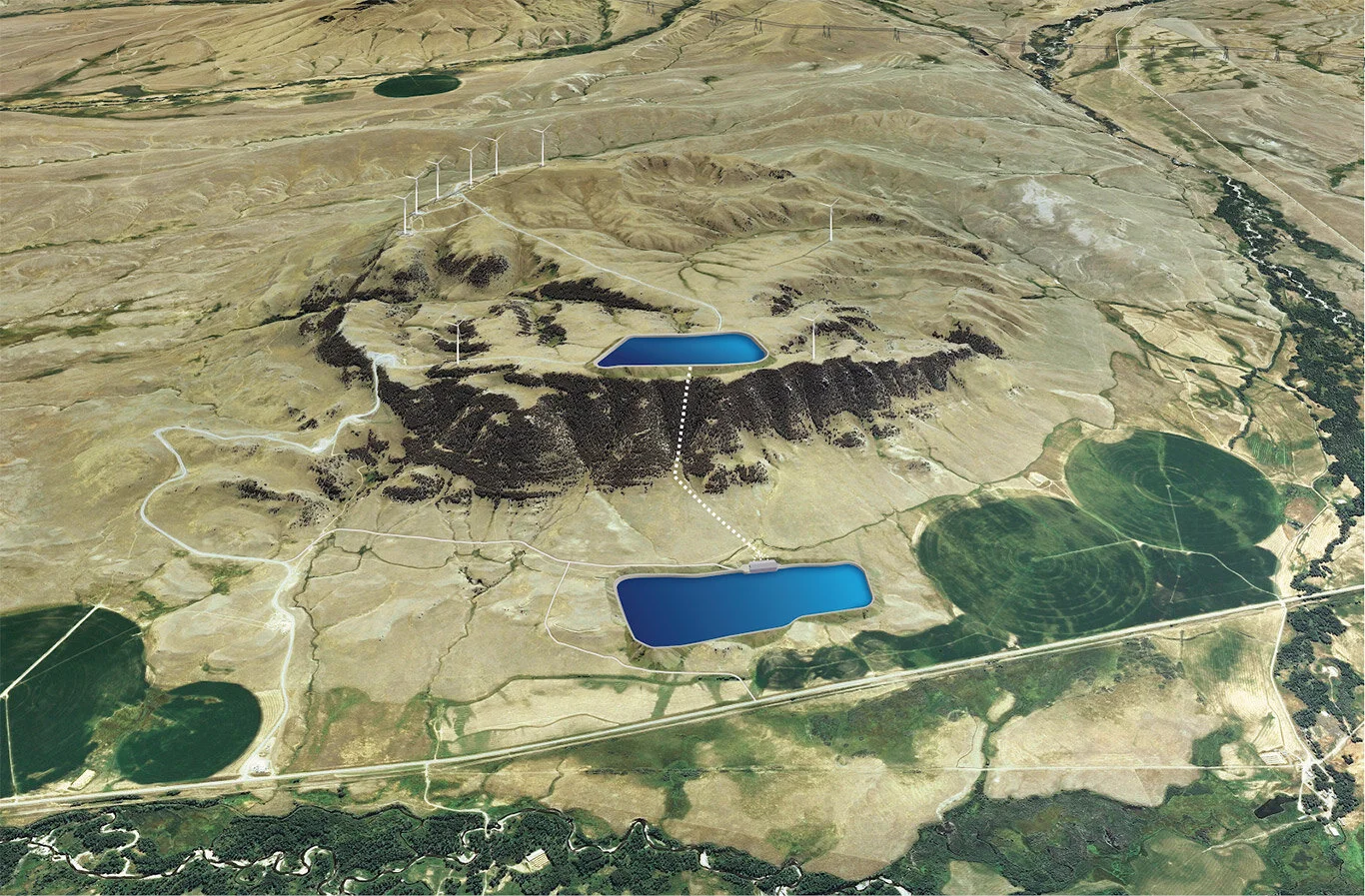
Montana’s Gordon Butte Project
One Montana project stands to benefit from the legislation: the Gordon Butte Pumped Storage Project near Martinsdale in Meagher County.
The 400-megawatt closed-loop pumped storage facility received a 50-year FERC license in December 2016^2. The $1 billion project, developed by Absaroka Energy, would use two reservoirs connected by an underground shaft to store energy by pumping water uphill during periods of low demand, then releasing it through turbines to generate electricity during peak demand.
The facility is designed to help integrate renewable energy onto Montana’s grid and provide storage capacity as the state transitions away from coal-fired power. The project site is located on private land approximately three miles west of Martinsdale^3.
According to Daines’ office, no Montana projects are among those entering limbo on January 1.
Bipartisan Bill Stalled in House
The Build More Hydro bill—S.1020 in the Senate, H.R. 2072 in the House—would authorize FERC to grant up to six additional years for construction starts, allocated in three two-year increments, for projects that received licenses before March 13, 2020.
“Many of our hydropower projects have been held up due to supply chain shortages and this bipartisan bill will revive projects that support Montana jobs and keep costs low for our families,” Daines said in a statement. “I’ll continue to support an all-of-the-above energy portfolio and fight for ways to increase our domestic energy production.”
The Senate passed the measure by unanimous consent on July 9. The House received it on August 1, where it has remained at the desk awaiting floor action.
Nationwide Impact
Since the bill’s introduction, approximately 100 megawatts of hydropower capacity has been put on hold nationwide, with an additional 36 megawatts facing deadline expiration by year-end, according to the letter from Daines and Newhouse.
“Losing these projects would undermine grid reliability at a time when we can least afford it,” the lawmakers wrote. “Advancing S.1020 before the end of the year is an essential step to protect American energy security, ensure reliable power to communities across the nation and prevent the loss of billions in investment.”
The letter requests that the House Committee on Energy and Commerce allow the bill to proceed on the suspension calendar and advance it to President Biden’s desk as soon as possible.
Hydropower currently supplies baseload electricity to over 30 million homes and provides 96 percent of utility-scale energy storage in the United States, according to the senators. The projects at risk have already completed environmental reviews and were licensed before March 13, 2020, but face construction delays due to supply chain disruptions, financing challenges, and other economic factors that have emerged since licensing.
Comments
One response to “Daines Pushes to Save Gordon Butte Hydropower Project Before Year-End Deadline”
Great idea!
Hopefully the House can get this passed and we can get more cheap energy in this country!