
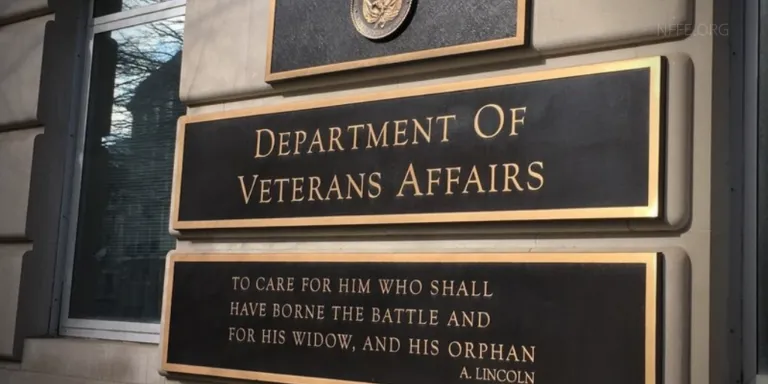
I never planned to become part of the veteran support world. I did not picture myself sitting in community coalition meetings, helping plan outreach, coordinating with nonprofits, or speaking with lawmakers about policy. My goal in the beginning was simple. I wanted to help my husband heal from the parts of war that never stayed overseas. I wanted him to feel steady again. I wanted our family to survive the years after his service.
For a long time, we stayed disconnected from anything related to veteran support. The stories we heard from veterans, from organizations, and from the VA did not match what we were living. The conversations felt rehearsed. The claims felt exaggerated. The culture felt dishonest. And I knew enough from living with my husband to recognize when someone was speaking about trauma they did not earn.
So we stayed alone. It felt safer than trying to find a place in a system that did not speak the same language as our reality.
But eventually, I knew we could not continue that way. So I stepped into the veteran community. I listened. I observed. I tried to understand the structure, the programs, the resources, and the intentions. I showed up at events, network meetings, and collaborative efforts. I followed the messaging. I stuck to the talking points. I did everything the system expected because I wanted to believe help existed.
Now, three years into this work, the reality has become impossible to ignore.
There is a lack of truth in this community. A lack of honesty from the systems and from many individuals inside them.
The public-facing messaging is polished, confident, rehearsed. The brochures, the PowerPoints, the websites, and the briefings paint a picture of support that, for many families, does not exist. The systems appear strong when measured by talking points but collapse when measured against lived experience.
And through all of that work, there was another truth unfolding at the same time.
Some veterans have stayed honest, even when it cost them support. Others have gone silent because they believe their experience does not count. And I have had veterans lie to my face about their service. Full fabrications. Not misunderstandings. Not memory slips. Lies. And navigating those two realities side by side has been painful. One veteran fights to stay grounded in the truth of what happened to him, while others inflate, distort, or invent trauma because somewhere along the way, they were taught that only the most dramatic version of service is worth validating.
False narratives do damage in every direction.
Because when someone claims trauma they did not experience, they are not just stealing honor. They are feeding false information into the same systems that research, diagnose, and treat combat injury. The data becomes skewed. Treatment models get built around experiences that never existed. And then the veterans who truly lived through combat are compared to men and women performing an identity rather than recovering from one.
Meanwhile, real trauma that is far more common goes unspoken. Toxic leadership. Moral injury. Separation from family. Training loss. Transition struggles. The pressure to carry responsibility in silence. The parts of service that affect more people than direct combat ever will. Less than one percent of veterans have seen direct combat, yet suicide rates continue to climb and are often higher among those who never deployed or fired a weapon. That reality should force a reckoning, because the stories being told do not match the support that is needed.
As a spouse, all of this mattered long before I could explain why. In the years after my husband left the military, I tried reaching out to other veterans. I was looking for connection and community. Instead, I found competition, insecurity, and exaggeration. Eventually I stopped trying. I isolated our family because it felt safer than continuing to navigate conversations that were not rooted in truth.
It took time to understand that the problem was not my husband or me. The problem was the culture surrounding veteran identity itself, a culture shaped by public messaging that does not resemble lived experience.
The moment that truth became impossible to ignore was recent. I sat in a room with VSOs, community partners, and the VA. The presentation sounded sure, confident, refined. But nothing being said resembled my lived experience or the lives of the veterans I know across branches, eras, and states. Not one.
As I listened, my body reacted before my thoughts did. Something in me knew the room was operating from a version of veteran care that did not exist in the real lives of most families. Later I realized the feeling was grief, because the distance between narrative and reality was no longer just uncomfortable. It was harmful.
That moment led me to write this. Not out of anger. Not to assign blame. But because staying silent has not improved anything for the veterans who need support the most.
Montana has an opportunity to do better. We are small enough to remain connected and strong enough to influence others. If we lead with honesty rather than performance, we can build something real here. Something grounded. Something human. Something other states look to, not because it looked good on paper, but because it worked in reality.
I know I cannot demand honesty from anyone. But I can model it. I will keep showing up. I will recognize honesty when it is present and I will speak when it is missing.
Because this community deserves honesty. And because my husband always has.
Comments
3 responses to “The Narrative Does Not Match the Reality in Veteran Care”
I have said your words a million times! As a veteran spouse myself, Montana does not do a good job at all with veterans. When we moved here 8 years ago the transition was not an easy road to navigate to say the least. I too, tried to advocate and step up to learn the way of things here and then like you, felt defeated and went silent. I now advocate locally still wishing my work and intentions could be seen and heard from areas and people who could really help make a difference nation wide. Just know you are not alone!
To Dawn: How can we, as non-veterans and ordinary citizens, help you in your efforts to reform the system?
Brad Tschida
I’d say pay attention to the veterans of all generations. Then see if that reflects to what the va is proclaiming. If it doesn’t look like it’s working which it is not. Vote accordingly and reach out to our representatives.